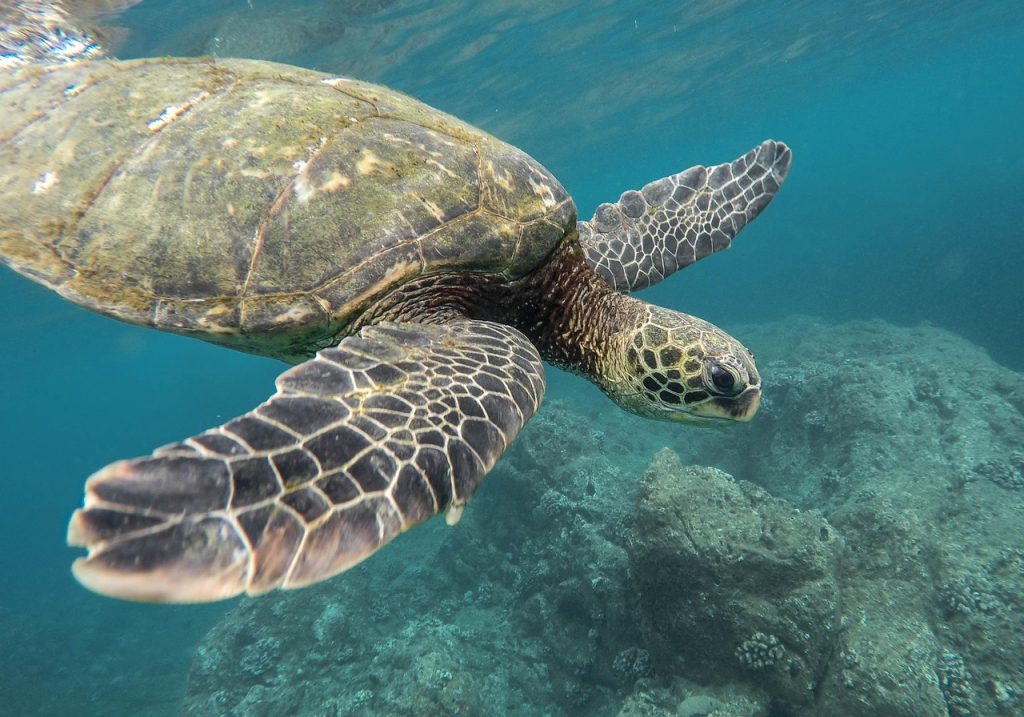
Scientific research is an essential tool to guide adequate management and action plans. Our investigations include studies on biology and threats to marine species Peru, as well as social assessments of coastal communities. As a tool to guide marine conservation action plans, we conduct research and assessments on marine-coastal environments, marine species, and anthropogenic threats; as well as social research in local coastal communities. Volunteers, students, and local organizations frequently form part of our research team.
Majestic manta rays are intrinsic to their delicate marine ecosystems. However, in Peru, this species’ numbers have dwindled due to human consumption, medicinal practices and fishing bycatch. Like many other marine species, giant manta rays take a decade to reach sexual maturity and can only produce a single offspring every few years. This slow reproduction puts them at an even greater risk of extinction.
We’ve worked for over a decade to help protect this incredible species while also benefiting local coastal communities. We pioneered research for giant manta rays in Peru, a species that was previously overlooked both culturally and within legislation. Our approach is to empower fishermen to be ambassadors for the manta ray species and find alternative income through ecotourism opportunities, like sightseeing tours. We’ve also adopted citizen science opportunities by suppling our fishermen partners with fishing logs to collect reliable data about the distribution of manta rays in the area. This research serves as a guide to inform and work with the local governments and community members.
Not only have we worked to change the minds and hearts of local people, but we’ve also made big strides in the national government. Peru achieved strong national protection for giant manta rays in December of 2015 with the passing of a resolution banning manta ray harvesting.
We have seen positive changes in local peoples’ behavior toward sustainability initiatives on a larger scale thanks to this flagship species.
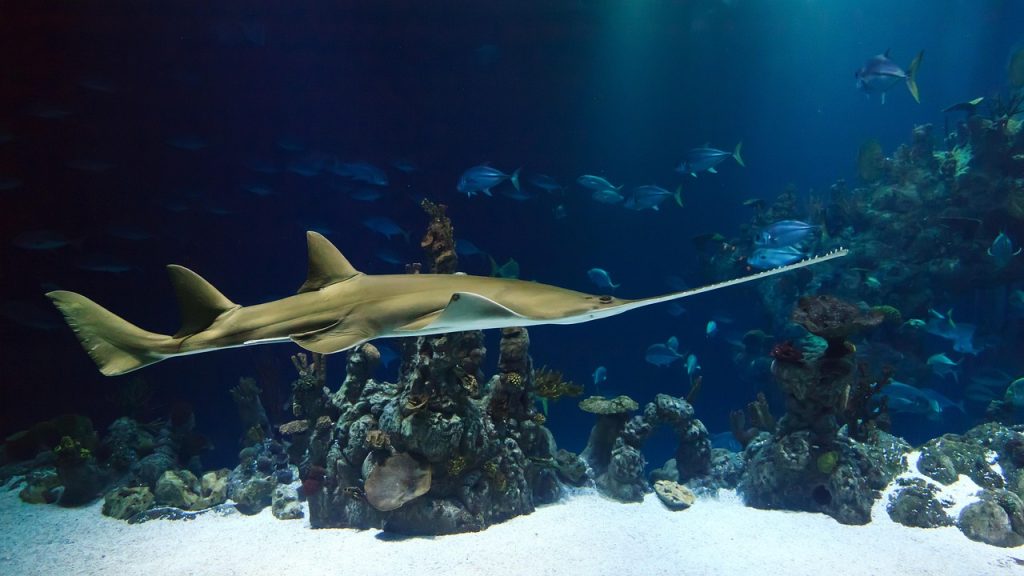
The long-toothed sawfish is a species that inhabits freshwater, marine, and estuarine environments. Its population status in the Eastern Pacific is poorly known, but it is believed to have disappeared from much of its native range, including Peru.
In November 2014, one of the fishermen working with us in Tumbes reported finding a stranded sawfish. The species, Pristis Pristis, was thought to be extinct in Ecuador and Peru until then. Various threats, including incidental capture and loss of mangroves, are present throughout the region pushing the population into decline.
Our work evaluated the presence of sawfish across Peru and the Eastern Pacific while building regional collaboration for the conservation of this species. In 2020, our research helped advocate for the passing of national protection for this species across Peru.
This program is particularly special to us, as it started a community grassroots initiative in Tumbes, Peru, and later set in motion the basis to build our organization, Planeta Oceano. The project began in 2007 with the aim to conserve and restore five sea turtle populations present in Peru: leatherback, hawksbill, green, loggerhead and olive ridley.
We found evidence of green sea turtles nesting on beaches and generated data with the help of the local community that led them to support these national government action plans for this species.
Hundreds of local volunteers participated in “Proyecto Tortugas Marinas” initiatives as we worked to reduce the impacts of sea turtle bycatch, discourage the use of sea turtle products and prevent contamination of sea turtle populations, thus contributing to these species’ conservation in Peru and across the Southeastern Pacific. Students in the schools we worked with felt compelled to reach out to local restaurants who displayed ornamental sea turtle carapaces on their wall. They convinced these establishments to remove them to help reduce the demand for endangered animal products.